Beginner RC Cars
Cars picked for people who've never owned a hobby RC car: ready to run, forgiving to drive and cheap to repair. Start here if you want to learn without spending a fortune.
53 in stock, plus pre-orders

WLToys 124017 V2 1/12th Racing buggy
£129.99
Free UK delivery
 Save 21%
MJX HYPER GO 16207 3S 1/16 Brushless High Speed RC Car Vechile Models 45km/h
£99.99£125.99
 Save 25%
WL Toys 284161 1/28th micro buggy
£44.99£59.99
 Save 25%
WLtoys 284010 2.4G RC mini drift car
£41.99£55.99

RGT 18100 RTR 1/10 2.4G 4WD RC Car Rock Crawler - Grey
£199.99
Free UK delivery
 Save 11%
UDIRC 1601 Pro Brushless 60km/h Upgraded RTR 4WD RC Car
£79.99£89.99
 Save 5%
MJX H8H Hyper Go RC Crawler Brushless 1:8th Scale Crawler Truck (Blue Orange)
£379.99£399.99
Free UK delivery

RGT 18000 Rc Car 1:10 4wd Off Road Rock Crawler 4x4
£199.99
Free UK delivery
 Save 24%
PINECONE FOREST SG 2410 Fiesta Rally car RTR 1/24 2.4G 2WD RC Car
£33.99£44.99
 Save 30%
WLtoys 284131 is a 1/28 scale 4WD RC drift truck
£34.99£49.99

HPI Racing nano-TTR 1969 Ford Mustang RTR-X
£59.99

SCY 16103 Pro RC Buggy 4wd
£89.99
 Save 35%
SCY-16201 PRO 2.4G 1:16 electric 4wd RC racing buggy off-road (YELLOW)
£54.99£84.99

WLToys 124016 V2 1/12th Racing buggy
£129.99
Free UK delivery
 Save 17%
Rlaarlo XTS-P12 RC Rally car 1/12 Metal Brushless 4WD RTR - Red
£149.99£179.99
Free UK delivery

HPI Racing Venture18 Toyota Hilux SR5
£149.99
Free UK delivery
- Save 25%
WLToys 124018 V2 1/12th Racing buggy brushed
£96.99£129.99
 Save 23%
WLtoys 144010 1/14 Scale 4WD Brushless RC Car
£99.99£129.99

HPI Racing Venture18 U4 Ford Bronco 4400
£149.99
Free UK delivery

Kyosho Fazer D2 Toyota Sprinter Trueno AE86 White 1:10 Drift Readyset
£245.99£249.92
Free UK delivery

1:8 EP Crawler CR1.8 "Bronco" YELLOW RTR
£399.95
Free UK delivery
 Save 17%
Rlaarlo XTS-P12 RC Rally car 1/12 Metal Brushless 4WD RTR - Blue
£149.99£179.99
Free UK delivery
 Save 40%
ZD Racing RX12 RTR 1/12 4WD Brushless Drift & Rally Car (3S Ready, up to 80 km/h)
£119.99£199.99

Kyosho Fazer Fz02-Ve (L) Chevy Chevelle'70 Supercharged 1:10 Readyset
£299.92
Free UK delivery
Available to pre-order
New and restocking models you can order now. Each product page shows the expected date.
 Pre-order
WLtoys XK K170 Black Hawk UH-60L RC Helicopter 4-Channel Brushless with 6-Axis Gyro (RTF)
£79.99
 Pre-order
MJX Hyper Go 14304 Brushless Drift Car – 1/14 Scale, 67km/h Speed
£132.99
Free UK delivery
 Pre-order
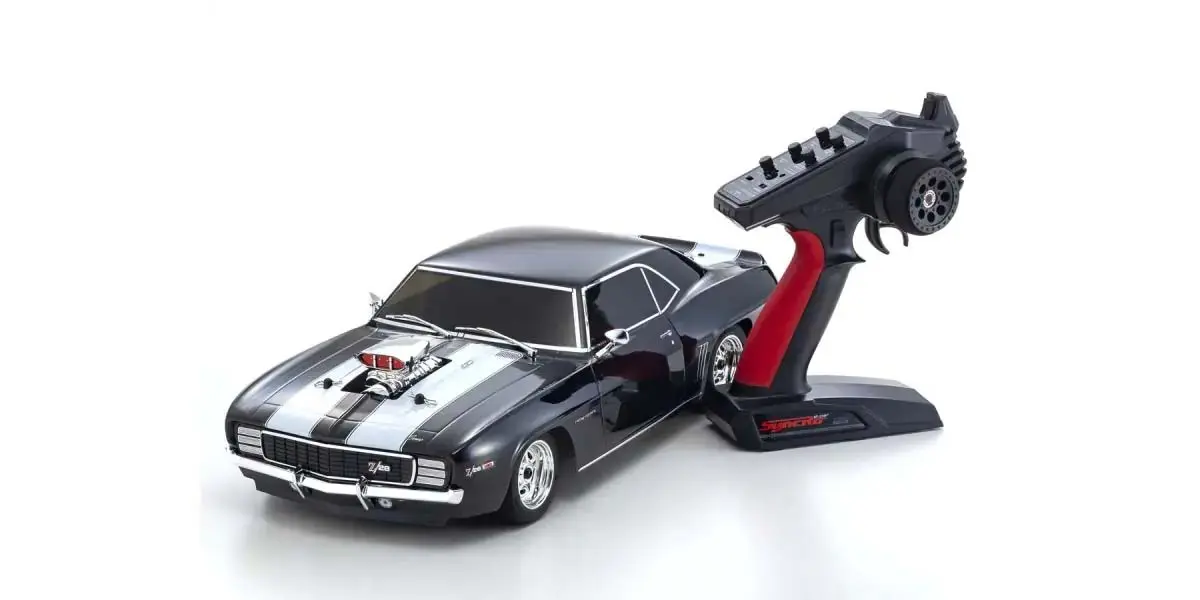
Kyosho Fazer FZ02-VE Chevy Camaro Z28 '69 SuperCharged 1:10 Readyset
£374.99
Free UK delivery
 Pre-order
RGT Shooter 136100 PRO 1/10 2.4G 4WD Brushless RC Car FOC Hobbywing Power Rock Crawler - Blue
£209.99£299.99
Free UK delivery
 Pre-order
RGT EX86020 1/10th scale RC Crock crawler jeep 4WD
£187.99£279.99
Free UK delivery
What makes a good first RC car
- Ready to run with a battery and charger, so there's nothing else to buy.
- 4WD, which is far easier to control than 2WD on grass and gravel.
- Moderate speed. A brushed car, or a brushless one with a throttle limiter.
- Spare parts available. You will break something; that's part of learning.
Beginner picks by type
- Indoors: WLtoys 284161 micro buggy or HPI Nano-TTR Mustang.
- Garden and park: UDIRC 1601 Pro, a brushless 1/16 around £79.99.
- Crawling: Absima Power Wagon V2, a 1/18 two-speed crawler around £91.99.
- Buggy: WLtoys 124018 V2, brushed 1/12 around £96.99.
- More speed: MJX Hyper Go 16207 or ZD Racing Thunder 9106.
Your first week
Drive in a big open space, start slowly and practise figures of eight before you try jumps. After each session, check for loose screws and wipe off mud. Charge batteries on a fire-safe surface and never leave them unattended. The first RC car guide has a fuller checklist, and the scales guide helps if you're unsure about size.
What to avoid first time round
Skip kits, rollers and nitro cars until you know you enjoy the hobby; they all need extra parts and know-how. Be wary of very large or very fast cars too. A 1/8 brushless truck is thrilling, but every crash costs more, and it's a lot to handle on day one. Start small, learn the controls, then upgrade.
Questions we get asked
- What's the best first RC car for an adult?
- A brushless 1/16 car like the UDIRC 1601 Pro or MJX Hyper Go 16207. Fast enough to stay interesting, small enough to be cheap to fix.
- Should a beginner buy brushed or brushless?
- Brushed for children and anyone driving in a small space. Brushless for adults who'll drive outdoors and want the car to last. See brushed vs brushless.
- How much should I spend on a first RC car?
- Around £60 to £100 gets a tough, repairable 1/16 car with a battery and charger. Spending less usually means a smaller car.